




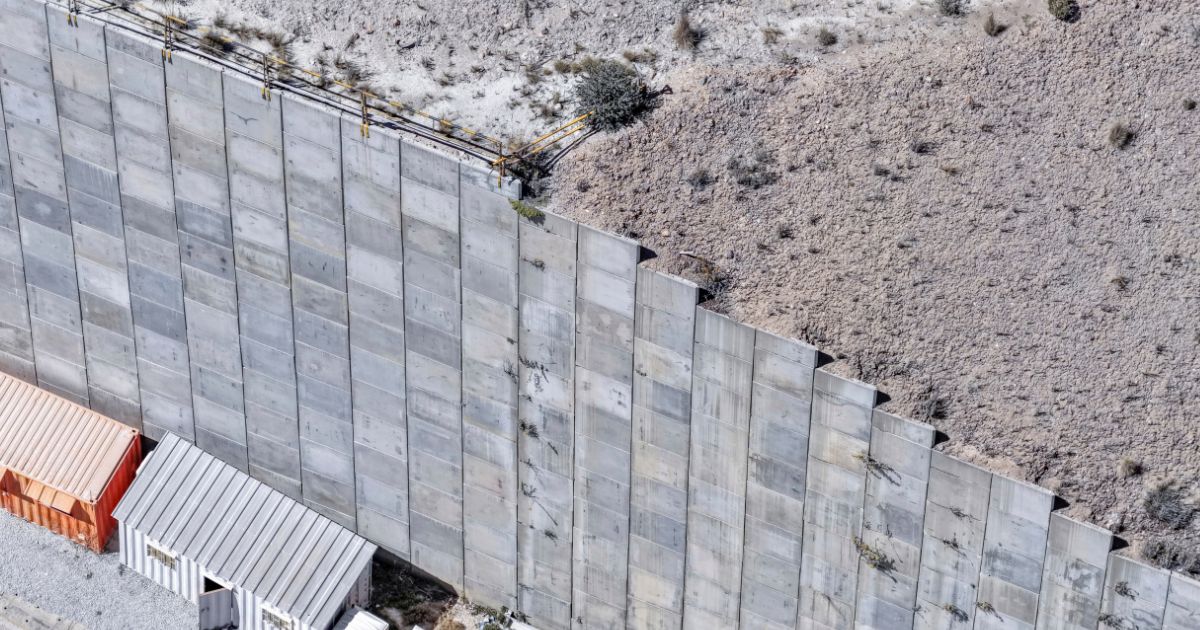
Expansive soils pose serious risks to construction projects in America and around the world. The Colorado Geological Survey has stated that estimated annual losses from expansive soil-related damages exceed combined losses from hurricanes, tornadoes, floods, and earthquakes.
Since expansive soils are common in California, you may be concerned about these risks if you’re getting ready to start a retaining wall construction project in this state. But by doing your research, planning ahead, and using the right materials, you can keep expansive soil-related structural damage to a minimum.
What Are Expansive Soils?
Under normal circumstances, a well-designed retaining wall should have no trouble dealing with lateral earth pressures. However, expansive soils can cause bigger problems than you might expect in this regard.
Expansive soils are defined by the fact that they contain high percentages of certain clays. Since these clays are highly absorbent, soils containing them can expand by up to 20% in volume once they get wet.
When that happens, expansive soils exert a force reaching up to 30,000 pounds per square foot. This can cause many types of structural damage, from cracked pavement to the total destruction of building foundations.
How Retaining Walls Can Handle California’s Soil Conditions
If you want to mitigate the issues that come with building a retaining wall on expansive soils, thinking ahead is a must. As part of that, you’ll want to:
Perform Geotechnical Testing
Under California Building Code (CBC) Section 1803.5.3, you’ll need to perform soil tests before building on land that is likely to have expansive soil. By adhering to this requirement, you won’t have to worry about being caught off-guard by this material.
Of course, your soil testing can and should go further than that. A full soil report will give you valuable information on soil expansion, plasticity, and site conditions early on in the planning process for your project.
Design Walls With Your Soil in Mind
When they know the soil conditions you’re dealing with (along with project information like your wall height and site requirements), engineers can design a retaining wall that fits your exact needs. More specifically, this knowledge allows them to build walls that are prepared for the intense lateral earth pressures that expansive soils can create.
Consider Different Retaining Wall Types
Though soldier pile and lagging walls are a common choice for retaining wall applications, this isn’t the only retaining wall type worth considering. If you need to build one of these walls on expansive soil, be sure to fully explore your options before making a decision.
Some wall types that are a good fit for construction sites with expansive soil include:
Cantilever retaining walls. These walls have inverted T-shaped/L-shaped foundations, and that shape allows these foundations to distribute lateral earth pressures effectively. Cantilever retaining walls are an excellent choice in locations where stability is a must, which is definitely the case when building on expansive soils.
Mechanically stabilized earth (MSE) retaining walls. MSE walls combine precast concrete facing, steel or geogrid soil reinforcements, and backfill. Since these walls are both strong and flexible, they’re another good choice for these environments.
Use High-Strength Precast Concrete
The stronger your retaining wall’s concrete is, the less likely it will be to sustain serious damage from expansive soil. High-strength concrete units typically have a PSI rating of 5,000 or higher, as well as reinforced steel rebar. That means these units excel at resisting soil movement and dealing with heavy loads.
Prioritize Drainage Control
Water absorption can easily become a problem for retaining walls. Once the soil behind your wall absorbs water, hydrostatic pressure will start to build up. That increase in pressure can damage or outright destroy your retaining wall if the water behind this structure has nowhere to go.
Of course, drainage problems are an even bigger concern when expansive soil is a factor. By including drainage measures like free-draining backfill, geotextile fabric, and perforated drain pipes in your wall, you can keep your risk of damage to a minimum.
Install an Apron
One of the biggest problems expansive soils cause is foundation damage. Fortunately, installing an apron can prevent these soils from affecting your retaining wall’s foundation.
In this context, an “apron” is a waterproof plastic and concrete layer surrounding a structure’s foundation. When this layer is designed with a slope, it can support your wall’s drainage by directing water away from its foundation.
Consider Chemical Stabilization
In addition to the strategies listed above, you may want to deal with expansive soils head-on. By introducing chemical additives to your soil, you can control this material’s potential for swelling.
Some additives often used for this purpose include lime kiln dust, quicklime, and cement. Each of these additives reacts with the clays found in expansive soil, reducing your earth’s expansiveness while improving its stability.
Dealing With Earthquakes in California
Expansive soils aren’t the only geologic hazard you’ll need to take into account while making plans for retaining walls in California. According to the California Department of Conservation, this state gets about two or three earthquakes each year that can cause moderate structural damage.
In California, construction projects are required to meet CBC standards for seismic design. Since earthquakes are a fact of life in this part of the country, these standards are stricter than similar requirements for construction work elsewhere. If you follow these standards while building your retaining wall, you’ll have much better odds of avoiding earthquake-related damage down the line.
Use California’s Best Precast Concrete in Your Retaining Wall
No matter where you plan to build a retaining wall, it’s always wise to build structures like these with durable materials. Precast concrete is a great choice, but to get the most out of this material, you’ll need to buy lagging panels and other precast concrete components from a supplier you can trust.
American Precast Concrete Inc. takes pride in selling precast concrete that delivers both excellent performance and unbeatable visual appeal. If you want to take the first step toward building a truly reliable retaining wall, get in touch today!